What are Dentures?
Dentures are custom-made replacements for missing teeth and can be made from plastic or metal. They help restore a person’s ability to eat, speak, and smile.
Custom dentures restore your smile. We create comfortable, natural-looking dentures that help you eat, speak, and smile confidently again.
Becky came to us after losing most of her teeth. She also has type 2 diabetes, which makes it even more important to maintain good oral health. First, we helped Becky manage her diabetes through diet counselling and guidance on how to properly look after her teeth. Then, we professionally cleaned her teeth and used them to secure her lower denture—this type of denture is called an overdenture.
What are the benefits of overdentures?
- Stronger Jaw: When we lose our teeth, the bone that holds those teeth in place slowly starts to disappear. In the lower jaw, this places people at risk of a jaw fracture even with the slightest trauma to the face. Keeping some of your natural teeth helps retain that jawbone, preventing it from becoming weak or thin.
- Better fit: The teeth anchor the denture, giving it more stability and retention, which makes it easier to eat, speak, and smile confidently.
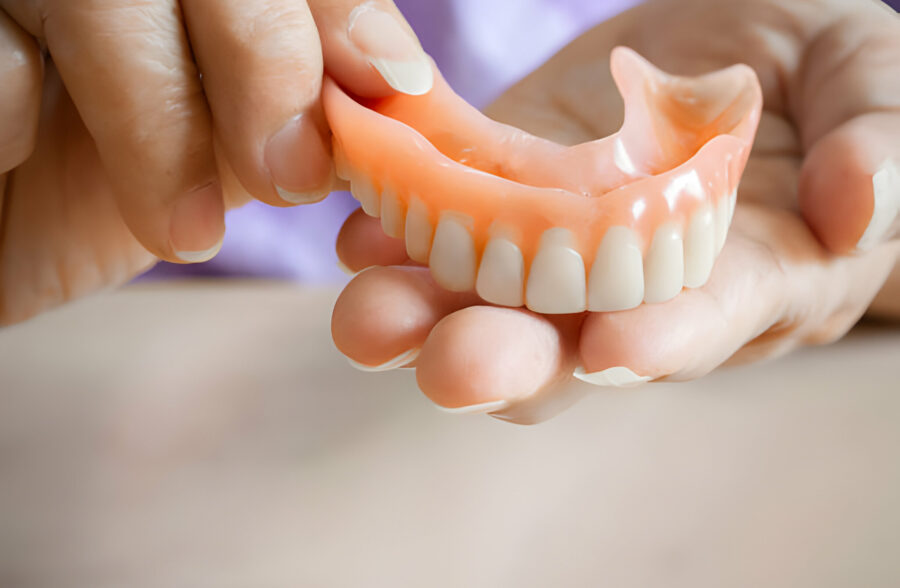
What should I know about getting dentures?
Getting dentures like these takes around six visits to the dentist. It's also important to care for the denture and the teeth that support it. Becky learned to clean her denture every day and visit the dentist regularly for check-ups and professional cleanings.It’s common for patients to need time to adjust to dentures especially if they have never had them before. A small percentage of patients may never fully adapt to traditional dentures.
Tips for wearing Dentures
- Retaining Your Teeth: Keeping some natural teeth to support a lower denture makes a big difference in fit and comfort.
- Denture Adhesives: Over-the-counter denture adhesives can improve the fit of your dentures.
- Adjustments: If your dentures become loose over time, they might need adjustments or even replacement as your mouth changes.
- Keep Spares: Don’t throw away your old dentures—keep them as a backup, just like an extra pair of glasses.
Things to consider with implant-supported dentures
- Minor Surgery: Getting implants requires a small operation, followed by healing time.
- Not Suitable for Everyone: Implants are not recommended for patients with uncontrolled diabetes or for heavy smokers, as these conditions can affect healing. The possibility of getting dental implants can motivate patients to make important lifestyle changes, such as improving their diet or quitting smoking, to become suitable candidates for the procedure.
Did you know?
Did you know there’s a strong connection between keeping your mouth healthy and controlling diabetes. Studies show that people with healthy mouths can manage their diabetes better. On the other hand, dental problems can make diabetes harder to control, increasing the risk of serious issues like heart disease, poor wound healing, and even blindness.
There’s a strong connection between keeping your mouth healthy and controlling diabetes.
Frequently asked questions
When should I consider Implant-Supported Dentures?
Implant-supported dentures may be considered when conventional dentures feel loose, uncomfortable, or make it difficult to eat and speak. They are especially helpful if you have lost most or all of your teeth and are looking for a solution that offers greater stability and confidence. These dentures are supported by small titanium implants placed into the jawbone, which fuse with the bone to provide a strong foundation. This improves retention and reduces the movement often experienced with traditional dentures. Implant-supported dentures may be right for you if:
• Your current dentures feel unstable or uncomfortable.
• You want a denture that allows you to eat and speak with greater ease.
• You are looking for a long-term solution that helps protect the jawbone and facial structure.
• You are in good general health and able to undergo minor surgery. Your dentist will assess your oral health, bone levels, and overall suitability before recommending this treatment.
Why choose Chrome Dentures?
Chrome dentures have several benefits: Less Bulky: They are thinner and can be designed smaller than acrylic dentures, making them more comfortable to wear. More Hygienic: Unlike acrylic, which is a porous material, chrome dentures are less likely to harbour a biofilm of bacteria, fungi, and viruses. This reduces the risk of bad breath, tooth decay, and gum disease.
Why does replacing missing teeth matter?
Replacing missing teeth can be a crucial means of preventing excessive wear on the remaining teeth. Overworking teeth can cause them to wear down and lead to further dental problems. Furthermore, replacing missing teeth prevents the remaining teeth from drifting into the space, which can result in weakening of those teeth as well as food packing between the teeth and the space. Additionally, a complete set of teeth supports proper nutrition, which is vital for overall health. Malnutrition can lead to various health conditions, including mental health issues, heart disease, and bone disease, to mention a few.


.jpeg)

