
Bridgework

Bridging the gap to a complete smile.
Case Studies
Nigel’s Dental Rehabilitation
Nigel came to us with a loose upper bridge and severely worn-down lower teeth. He had also lost his back teeth in both the upper and lower jaw

What is Bridgework?

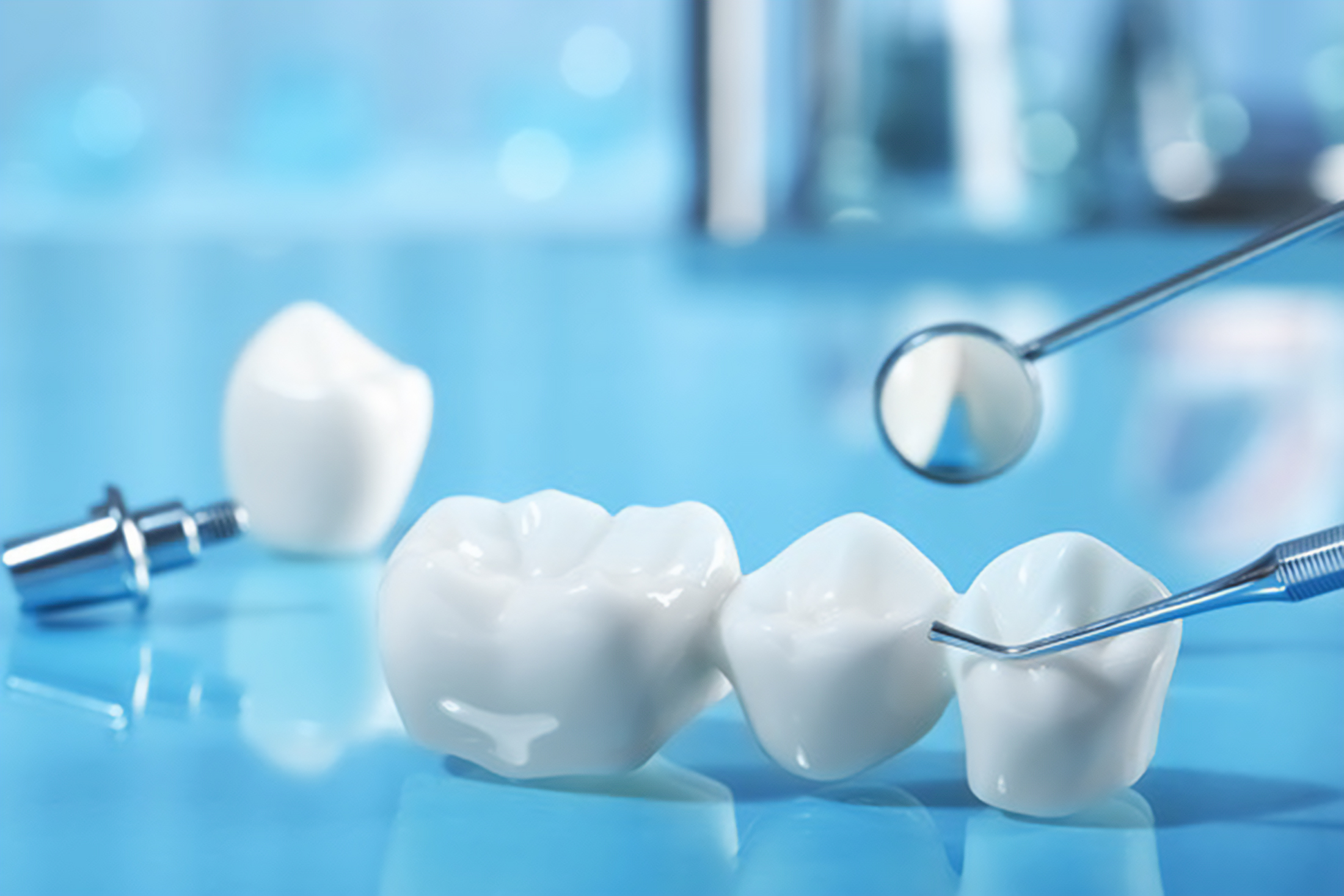
A bridge is a fixed dental prosthesis that uses a patient’s remaining teeth to support false teeth. Unlike dentures, a bridge is permanently attached and can’t be removed by the patient. However, bridges require cutting healthy teeth to fit the false teeth, and the larger the bridge, the more teeth need to be cut. This can increase the risk of more significant failure if the bridge becomes compromised. Therefore, before considering a bridge, it’s essential to explore more conservative options, such as implants, removable dentures, or minimal preparation resin-bonded bridges, which require minimal or no cutting of tooth tissue. Additionally, patients must demonstrate excellent oral hygiene, have the dexterity to clean effectively under their bridges, and be committed to regular check-ups and follow-up appointments.
Frequently asked questions
What is Bridgework?
A bridge is a fixed dental prosthesis that uses a patient’s remaining teeth to support false teeth. Unlike dentures, a bridge is permanently attached and can’t be removed by the patient. However, bridges require cutting healthy teeth to fit the false teeth, and the larger the bridge, the more teeth need to be cut. This can increase the risk of more significant failure if the bridge becomes compromised. Therefore, before considering a bridge, it’s essential to explore more conservative options, such as implants, removable dentures, or minimal preparation resin-bonded bridges, which require minimal or no cutting of tooth tissue. Additionally, patients must demonstrate excellent oral hygiene, have the dexterity to clean effectively under their bridges, and be committed to regular check-ups and follow-up appointments.
What is the Bridgework treatment process?
Step 1 - Provisional Bridge: A temporary plastic bridge can be placed immediately after tooth extraction. This provides an aesthetic solution and allows time for the extraction sites to heal. Step 2 - Monitoring Oral Hygiene: During the healing phase, it is important to ensure that the bridge can be cleaned properly. Regular dental check-ups help monitor oral hygiene and support the long-term success of the treatment. Step 3 - Definitive Bridge: After the healing period (usually around three months), the provisional bridge is replaced with a definitive bridge. This offers a durable and long-lasting solution, allowing the patient to function, eat, and smile with confidence.
Why would someone need Bridgework Treatment?
Bridges can fail if they are not cleaned properly underneath or if regular dental check-ups are missed. Decay may develop beneath the bridge where cleaning is difficult, and over time this can progress until the supporting teeth become too damaged to hold the bridge in place. This can cause the bridge to loosen and eventually fall out. Good oral hygiene practices and maintaining regular dental check-ups are essential to detect early signs of problems and protect the long-term success of the bridge.
What are the Bridgework Treatment Options?
At this stage, we presented Paul with the next phase of his treatment plan, which involved replacing his four incisors after the extraction of his remaining teeth. Given that Paul was a heavy smoker, he wasn’t a suitable candidate for dental implants, and he wasn’t psychologically ready to accept dentures. The best solution for Paul was therefore a lower bridge. We again encouraged him to consider a smoking cessation program, as quitting smoking would greatly benefit his oral and overall health.
Can Bridges fail?
Bridges can fail if they are not cleaned properly underneath, or if regular dental check-ups are missed. Decay may develop beneath the bridge where cleaning is difficult, and over time this can progress until the supporting teeth become too damaged to hold the bridge in place. This can cause the bridge to loosen and eventually fall out. Good oral hygiene practices and maintaining regular dental check-ups are essential to detect early signs of problems and protect the long-term success of the bridge.
Are dental visits important for Bridgework Treatment?
Visiting the dentist every 6 months is essential to maintain stable oral health. Regular check-ups help catch potential issues early, preventing more significant problems and costly treatments down the road. This is especially important if you have any form of dental prosthesis. Regular visits ensure the prosthesis is functioning properly and that your natural teeth are not being negatively affected. Catching problems early significantly reduces the risk of tooth loss and more costs in the future.